01 — Skiing
A small ski country, and honest about it
Slovenia has nine proper ski resorts. The biggest, Mariborsko Pohorje, has 43 km of piste — about a tenth of what a single large Austrian valley offers. That is the whole pitch: short drives, lift tickets a third cheaper than the marquee Alpine names, and a Julian Alps skyline without the lift queues. If you want a week of pure high-altitude terrain, this is not that trip.
The resorts fall into three pockets. The Julian Alps in the northwest hold the best-known names — Kranjska Gora (the flagship, a real ski town, World Cup slalom most winters), Vogel (reached by cable car straight off the shore of Lake Bohinj, the best view of any Slovenian resort), and Kanin above Bovec, the country’s only resort that tops 2,200 m. Krvavec sits on its own, 40 minutes from Ljubljana, which makes it the one you can ski as a day trip from the capital without moving hotels. The Pohorje and Rogla hills in the east are gentler, more forested, and lean on snowmaking rather than altitude — Mariborsko Pohorje runs one of Europe’s longest floodlit night pistes right above the city.
Snow reliability tracks elevation almost exactly. Kanin, Vogel’s upper bowl and Krvavec’s open terrain above the treeline hold snow through a mild January; Rogla, Pohorje and Cerkno’s lower slopes depend on a good snowmaking week to bridge the thin spells, which usually works but is not a guarantee. The season runs early December to late March, occasionally into April up high, and mid-January to mid-February is the safe window.
The honest downside: weekends fill with day-trippers from Ljubljana and Zagreb, the smaller hills can have half their lifts on wind hold, and après-ski barely exists outside Kranjska Gora. Come for the terrain and the price, not the scene.
The nine resorts, compared
| Resort | Best for | Piste | Top | Day pass* | From Ljubljana |
|---|---|---|---|---|---|
| Kranjska Gorabase: Kranjska Gora | All-round, ski-town feel, beginners & intermediates | 20 km | 1,570 m | ~€46 | 1 h 05 |
| Vogelbase: Bohinj | Views, intermediates, snow reliability up top | 22 km | 1,800 m | ~€45 | 1 h 20 |
| Krvavecbase: Ljubljana / Cerklje | Day trips from the capital, open above-treeline terrain | 30 km | 1,971 m | ~€45 | 40 min |
| Kaninbase: Bovec | Highest, freeride, the most snow-sure — if wind allows the cable car | 30 km | 2,202 m | ~€42 | 1 h 50 |
| Mariborsko Pohorjebase: Maribor | Night skiing, city break, easy access | 43 km | 1,327 m | ~€42 | 1 h 30 |
| Cerknobase: Cerkno | Grooming, families, repeat “best resort” awards | 18 km | 1,296 m | ~€40 | 1 h 15 |
| Roglabase: Zreče | Beginners, freestyle park, cross-country, reliable snowmaking | 13 km | 1,517 m | ~€41 | 1 h 30 |
| Goltebase: Mozirje | Families, quiet forested beginner & intermediate runs | 12 km | 1,650 m | ~€35 | 1 h 20 |
| Stari Vrhbase: Škofja Loka | Family, quiet, closest small hill to Ljubljana, best value | 12 km | 1,217 m | ~€34 | 40 min |
*Indicative adult full-day pass, 2025/26 season — prices move with snow conditions and school holidays. Each resort’s official price list is linked in the full guide. The Julian Alps International Ski Pass covers Kranjska Gora, Cerkno, Soriška Planina and Stari Vrh on one card, plus resorts across the Italian and Austrian borders.
02 — Thermal spas Slovenia has more than fifteen developed thermal resorts, most of them clustered in the flat Pannonian east. None of them are wild hot springs — they are pool-and-sauna complexes, several with a genuine medical tradition going back generations. Sitting in an outdoor thermal pool with snow on the deck and steam coming off the water is a different thing in January than in July, and it is why these places keep their outdoor pools open all winter. There are two archetypes, and the difference matters more than the brand name. A thermal park — Terme Čatež is the largest, close to 12,000 m² of water — is built for families: slides, a wave pool, a lazy river, kids everywhere. A wellness resort — Rogaška Slatina, Terme Dobrna — is quieter, adult-focused, structured around saunas and treatment programmes. A few sit in between: Terme Ptuj lets you walk the oldest town in the country in the morning and be in the water by two; Terme Olimia does both at once, with an eight-sauna “Sauna World” on one side and the Aqualuna water park on the other. The honest downside: several of the bigger complexes are 1980s builds and show it, and weekends and school holidays pack them out. Go midweek, and pick the archetype before the name. *Indicative adult weekday day ticket, winter 2025/26 — weekend and holiday prices run higher, and full spa-hotel packages are a separate thing. Check the resort’s current price list before planning a day around it. 03 — Christmas & Advent Ljubljana’s Advent is one of Europe’s most photographed small-city light displays, running from late November into mid-January across seven squares rather than one. If part of your group skis and part doesn’t, December is when the non-skiers get a full trip of their own — markets, a free ice rink, an underground nativity, and fireworks off a castle at midnight on the 31st. Dates shift by a few days every year, so treat the calendar below as a strong guide and confirm close to your travel dates. The one that needs booking well ahead is Postojna’s living nativity — performers and musicians along the walking route deep inside the cave, for a short window around 25–30 December. It sells out. 04 — Winter activities Between the ski resorts and the spas there’s a real set of winter days that need neither. Snowshoes on the Pokljuka plateau, a groomed sled run with kids, a cave that stays at 10 °C while it sleets outside — this is where Slovenia’s slower-travel character shows up most clearly in winter, and it’s the least marketed part of the season. One honest correction up front: the postcard idea of skating on a frozen Lake Bled doesn’t reliably happen anymore. Recent winters have seen partial freezing at best. Don’t plan a trip around it — the permanent rink by the Park Hotel is the dependable version. 05 — Where to base yourself It comes down to one question: is skiing the point, or one part of a broader winter visit? Answer that and the base picks itself. These are the same regions a summer trip would use — filtered through what actually works once there’s snow on the ground and the roads need chains. For a week, one base plus day trips almost always beats splitting the trip across two towns — unless you specifically want both a ski-heavy stretch and a city stretch, in which case Kranjska Gora then Ljubljana is the sensible pair. 06 — Live cameras Every Slovenian ski resort runs at least one live webcam on its official site. Read them the way locals do: the snow line, the cloud level, and whether the lifts are actually turning — the smaller hills often sit on wind hold even when the valley below looks fine, and mountain roads here need winter tyres or chains from the first snowfall. We’ve collected all nine on one page, roughly west to east, each opening the resort’s own official feed. Most refresh every few minutes in daylight; the same pages carry a daily snow-depth and open-piste report next to the camera. Live nowSlovenia ski resort webcams — all nine, one pageOpen the cameras → None of this happens on its own — here's what else to fold into a winter trip. A ski week in Kranjska Gora, a spa weekend in the Pannonian east, and a few days around Ljubljana and Bled's Christmas markets are three genuinely different trips that happen to fall in the same three months. Most visitors only ever plan for one of them — worth deciding early which version of Slovenian winter you're actually here for, since it changes where you base yourself far more than it would in summer.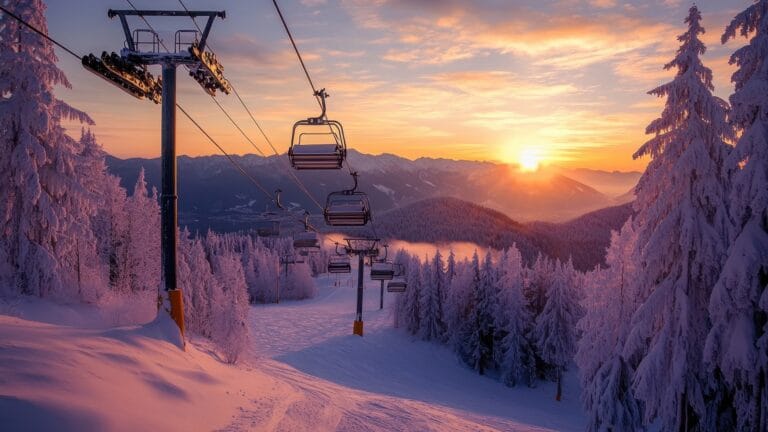 The full guideSkiing in Slovenia: resorts, costs & which one fits youRead the deep dive →
The strongest reason to visit that has nothing to do with snow
Spa Type Day ticket* Nearest town Region Terme Čatežlargest complex in the country Family park slides, wave pool, winter riviera ~€27 Brežice Posavje (SE) Terme Olimiamost sauna choice — 8-sauna Sauna World All-rounder wellness + Aqualuna water park next door ~€26 Podčetrtek East Rogaška SlatinaDonat Mg mineral water, belle-époque Adult wellness formal, medical tradition ~€22 Rogaška Slatina East Terme 3000, Moravske Topliceknown for its black thermal water Thermal park baths, slides, treatment wing ~€24 Moravske Toplice Prekmurje (NE) Terme Ptujnext to Slovenia’s oldest town Mixed water park + wellness, year-round outdoor pool ~€21 Ptuj NE Terme Dobrnaoperating since 1403 — the oldest Quiet historic small, adult, low-key ~€20 Celje East Terme Zrečeat the foot of Rogla Small pairs with a ski day at Rogla ~€20 Zreče East Terme Snovikclosest to Ljubljana and Kamnik Small family-friendly, mountain setting ~€18 Kamnik Central 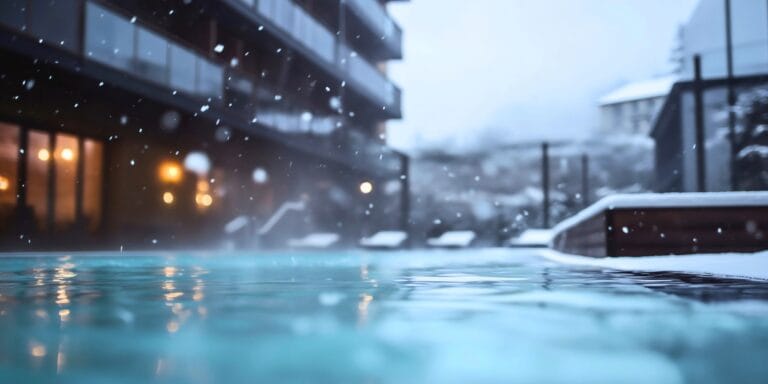 The full guideThermal spas in Slovenia: where to soak & what to expectRead the deep dive →
December carries the season on its own
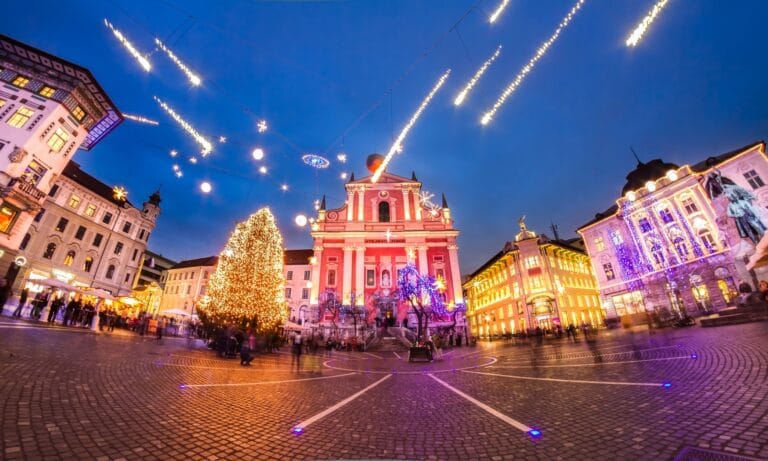 The full guideChristmas in Slovenia: markets, mulled wine & winter townsRead the deep dive →
The middle layer: no lift pass, no swimsuit
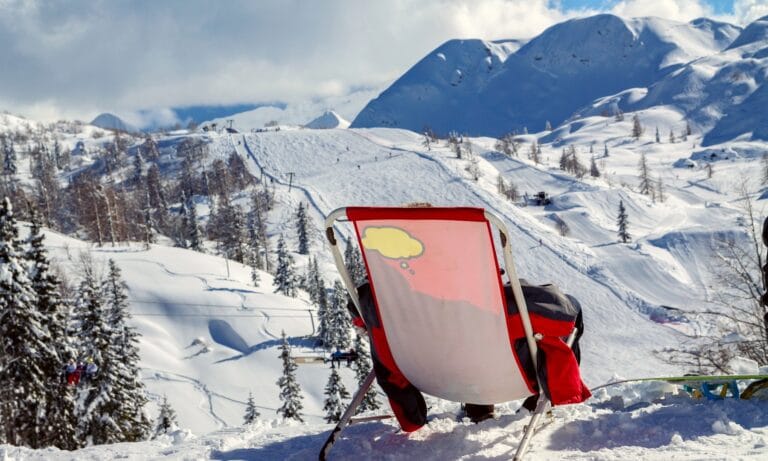 The full guideWinter activities in Slovenia: ice, snow & slower daysRead the deep dive →
The base decides the trip more than it would in summer
Base Best for Ski access Also good for Kranjska Gora Committed skiers — full ski-town infrastructure 18 slopes on the doorstep; Vogel 45 min Bled, Bohinj, Vintgar on a rest day Bled Mixed groups, the postcard, some skiing Small Straža slope in town; Vogel & Kranjska Gora 30–45 min Christmas market, lake walk, the rink Bohinj Quieter, wilder, fewer crowds Vogel cable car right at the lakeshore Snowshoeing, Triglav National Park Ljubljana City comfort, mixed groups where not everyone skis Krvavec under an hour as a day trip Advent, museums, restaurants, warm evenings Maribor / Pohorje Skiing plus a real second city, best value Pohorje night pistes by funicular from town Old town, wine hills, its own market 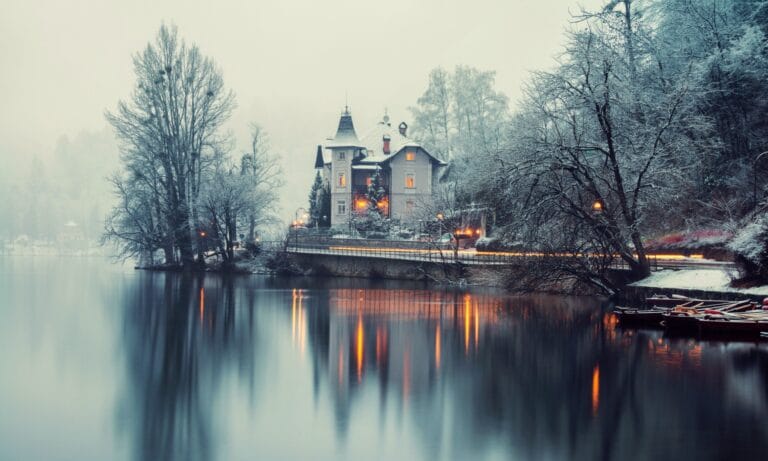 The full guideWhere to stay in Slovenia in winter: snow, mountains & cozy basesRead the deep dive →
Check the snow before you commit to the drive
Combine it with the rest of Slovenia
 Pick a region
Four regions, one page each — see where the ski towns and spa towns actually sit relative to everything else.
Pick a region
Four regions, one page each — see where the ski towns and spa towns actually sit relative to everything else.
 City bases
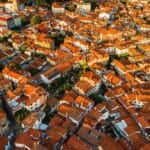
Full guides to Ljubljana, Maribor, Bled and more, beyond the winter angle.
First time in Slovenia
Visas, driving, seasons and the basics, if this is your first visit.
City bases
Full guides to Ljubljana, Maribor, Bled and more, beyond the winter angle.
First time in Slovenia
Visas, driving, seasons and the basics, if this is your first visit.
 Trails that hold up in winter
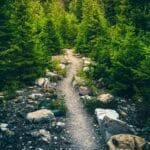
Lower-altitude walks still work; anything alpine needs real gear or waits for spring.
Trails that hold up in winter
Lower-altitude walks still work; anything alpine needs real gear or waits for spring.
One season, several different trips